Magento 2 Extension Development: Best Practices for 2026
Learn the coding standards, testing strategies, and architectural patterns that make Magento 2 extensions maintainable and marketplace-ready.
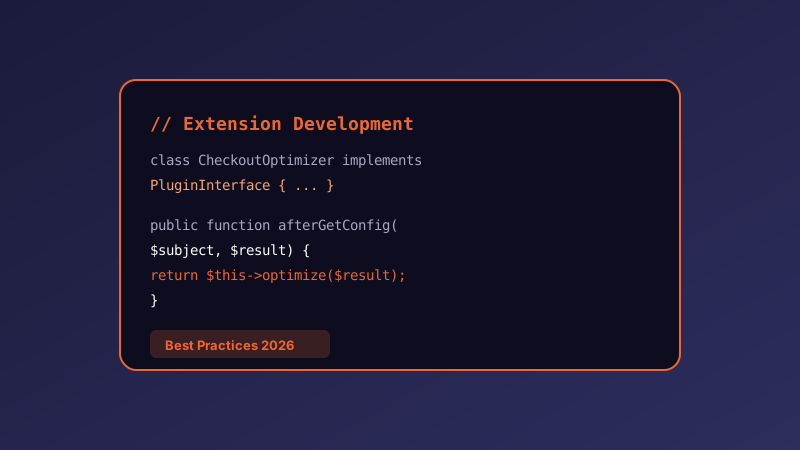
Follow Magento Coding Standards
Every Magento 2 extension should adhere to the official Magento Coding Standard. This includes proper dependency injection, service contracts, and avoiding ObjectManager usage in production code.
Using PHP_CodeSniffer with the Magento ruleset during development catches issues early and ensures your extension passes marketplace technical reviews.
Design for Testability
Write unit tests for business logic using PHPUnit and integration tests for module interactions. Magento 2's testing framework supports both, and marketplace submissions increasingly require test coverage.
Separate business logic from presentation layer code. Use repositories, services, and plugins (interceptors) instead of overriding core classes whenever possible.
Plan for Upgrades
Magento 2 receives regular security patches and version updates. Design extensions with forward compatibility in mind — avoid modifying core files and use declarative schema for database changes.
Document your module's dependencies, configuration options, and upgrade paths. This saves significant time when clients need to move to newer Magento versions.
Need help with your Magento 2 project?
Talk to Our Team